Advertisment

3D-printed doses significantly cheaper than capsules
GERPAC Congress highlights
3D-printed doses of melatonin 1mg cost approximately half as much as the same doses prepared by manual encapsulation, according to an economic evaluation by Lena Lemierre (MB Therapeutics & University of Montpelier) and colleagues.
A study compared two hospital-based manufacturing methods for personalised oral dosage forms – semi-solid extrusion (SSE) 3D printing and traditional capsule compounding. Resource inputs were calculated for preparation of 600-unit batches by each method. The 3D printing process relied on semi-solid extrusion of an industrially validated pharmaceutical cartridge, followed by drying within the printer (MED U PROD 1.0 ® – MB Therapeutics). Manual capsule preparation was carried out using a 300-capsule filling plate.
The costs for each dose were €1.55 (capsules) versus €0.72 (printed oral doses). The staff time required was: 35 min for analysis of printed forms (mass control only), versus 4 h 30 min for capsules (mass and content uniformity testing). HPLC analysis accounted for a large proportion of the cost of the capsules.
The authors concluded that the results demonstrated the potential of SSE 3D printing as a faster and more cost-effective alternative for hospital manufacturing of personalised oral dosage forms. The significant reduction in production time, particularly during analytical phases, enables more efficient use of human resources.
Lemierre L. et al. Techno-Economic Comparison Between Semi-Solid Extrusion 3D Printing of Oral Forms and Capsule Compounding in a Hospital Setting. Short communication. GERPAC Congress 2025
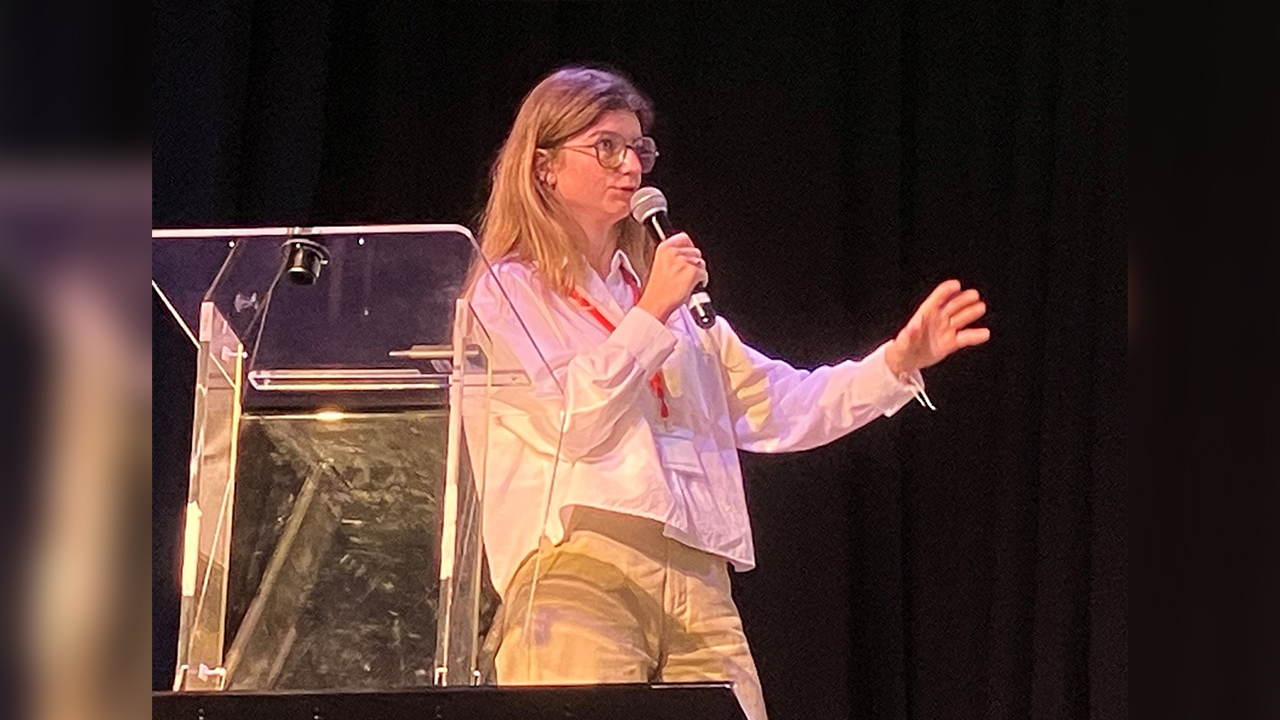
Photo – Lena Lemierre