Advertisment

EMA teams up with influencers on weight loss drugs

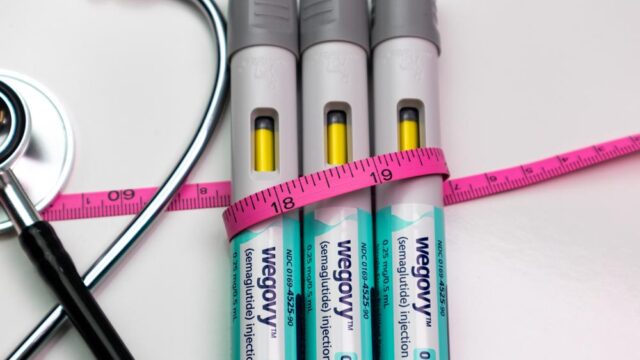
The EU drug watchdog, the European Medicines Agency (EMA), has launched a partnership with social media influencers to promote the safe use of GLP-1 receptor agonists. The #HealthNotHype campaign aims to raise awareness about the blockbuster medicines which were first approved to treat type-2 diabetes, but are now widely used in managing obesity.
The products have captured widespread public attention, attracting celebrity endorsements and soaring demand. This, says the EMA, is fuelling misinformation, misuse and increasing the risk of illegal counterfeits.
EMA Executive Director, Emer Cooke, said GLP-1 medicines ‘are not magic solutions’ for weight loss and should be taken only when prescribed by a registered clinician. ‘Like all medicines, they have benefits and risks and are not for everyone,’ she said. ‘They are long-term treatments that must be accompanied by other lifestyle changes, always under the supervision of a doctor.’
The Agency has selected content creators from seven European countries. They were chosen for their credibility in healthcare communication and commitment to evidence-based information. The campaign includes videos, quizzes and polls developed with EMA experts.
Some of the influencers have hundreds of thousands of followers on Instagram.
The decision to focus on Instagram reflects the high volume of conversations on GLP-1 products circulating on this platform, according to the EMA.
‘By working with content creators, we want to ensure that validated scientific information is part of the conversations people are having on social medi about these medicines,’ Cooke said.
Meanwhile, the EMA has launched a separate campaign in collaboration with healthcare professionals and consumer groups to help tackle medicine shortages. The #ItTakesATeam initiative highlights efforts to prevent and manage shortages across the EU.
‘When patients can’t get a medicine in a pharmacy, their first reaction is distress,’ said Jorge Batista of the PGEU which represents community pharmacists. ‘While this is legitimate, they are never alone. There are people who are there to help, from the pharmacist who can source a particular medicine, to doctors who can find alternative treatments, all the way up to regulators managing stock distribution amongst EU countries. There’s a whole team working to find solutions.’
PGEU is one of several organisations participating in the campaign, alongside neurologists, general practitioners and BEUC, a consumer representative body.
Through videos, social media messages, and stories from real people involved in addressing shortages, #ItTakesATeam puts a human face on the coordinated efforts to keep medicines available for those who need them most. In addition, a public webinar was held in November to increase understanding about the EU regulatory process, where to find information and how shortages can be prevented.